Sativa Edibles and Passion Fruit: Understanding the Label
Updated
Sativa THC
What the label can tell you
Sativa THC Sativa is a commercial label, not evidence that an edible improves energy, focus, or sociability. This guide focuses on Sativa: what the category means, its commonly associated traits, branding claims and their limitations, and Mellow Passion Fruit flavor.
What is Sativa THC?
Sativa comes from the botanical classification of the cannabis plant. Today it is also used commercially for products intended to suggest a brighter, more energetic experience. Many consumers associate Sativa with daytime, creative activity, or social settings.
This is a general direction, not a promise. THC amount, the full formula, previous experience, mood, and surroundings affect the experience. Two people can therefore respond differently to the same product.
Traits commonly associated with Sativa
Sativa products are sometimes associated with alertness, focus, lightness, and creative thinking. THC can also cause restlessness, confusion, or feeling overwhelmed. The difference depends on the product and the person, not only the name on the package.
A Nature Plants study found that the names Sativa and Indica do not always consistently match a product’s genetic and chemical structure. Read the study on cannabis labels. Therefore, assess the product itself rather than relying only on the category.
Sativa with Passion Fruit flavor
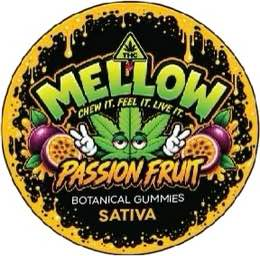
Mellow Sativa has a Passion Fruit flavor. Passion fruit creates a tropical blend of sweetness and fresh tartness. This profile fits the bright, colorful language of the Sativa category.
Juicy.
Tropical.Mellow Passion Fruit
Flavor Notes
The visual scales describe flavor only and are not strength measurements. A sweet flavor does not indicate how much THC a product contains, so always read the label.
Sativa branding and its limitations
Branding features, not proven benefits
- A character associated with activity and daytime.
- A profile perceived as lighter and more creative.
- A fruity, fresh Passion Fruit flavor.
- A clear category that is easy to identify and compare.
Key points to understand
- Effects are not the same for everyone.
- THC may cause anxiety or restlessness.
- A fruity flavor does not indicate low strength.
- The category name alone does not tell the whole story.
How to evaluate a Sativa product
The name offers direction, but three simple checks provide a clearer picture.
- Read the label
Check the THC amount and number of servings. - Review the formula
Do not rely only on the word Sativa. - Store responsibly
Keep away from children and pets.
The Passion Fruit version gives the Mellow line a fresh tropical identity. For more focused content, visit Sativa section of the magazine.
Mellow Magazine provides educational information only. Effects may vary from person to person.
What the evidence supports
Indica, Sativa, and Hybrid are not reliable promises of a specific feeling. Research on cannabis labeling found that Indica and Sativa labels did not consistently distinguish samples across their overall genetic and chemical profiles. This research does not validate a finished edible or its advertised benefits.
CDC guidance on edibles explains that effects can be delayed and unexpectedly prolonged. Health Canada describes risks including impaired attention, anxiety, and sleepiness. Flavor descriptions here are editorial impressions, not laboratory measurements or verified product testing.
Information for readers in Israel
This English-language magazine explains terminology; it does not establish whether a product is authorized in Israel. For current official information, visit the Israeli Ministry of Health medical cannabis portal. For personal treatment questions, consult a qualified healthcare professional.
Continue with our edibles and smoking comparison, frequently asked questions, and editorial information.